Kenyan businesses are entering a new era of tax compliance following the rollout of the Income and Expense Validation Engine, a digital system designed to automatically verify tax returns submitted to the revenue authority. The system, implemented in 2026, marks a major shift from the traditional reliance on self-declared tax filings.
Under the new framework, financial data submitted by taxpayers will be cross-checked against several independent databases including bank deposits, mobile money records, payroll information, import documentation, and VAT invoices generated through electronic systems. This means that discrepancies between declared income and actual transactions will be automatically flagged by the system.
For businesses, the new mechanism significantly increases the likelihood of tax audits if inconsistencies appear in their filings. Companies whose accounting records do not align with the financial data captured in these digital systems could face additional tax assessments, penalties of up to 25 percent of the unpaid tax, and interest charges.
Tax professionals say the development will fundamentally change how businesses approach accounting and bookkeeping. Instead of preparing tax records retrospectively, companies will need to maintain real-time financial documentation to ensure accuracy. The change also emphasizes the importance of integrating digital accounting tools and compliant invoicing systems to meet KRA’s increasingly sophisticated oversight mechanisms.
Kenya’s Tax System Is Entering a New Era
From 1 January 2026, the tax landscape in Kenya will fundamentally change as the Kenya Revenue Authority introduces a powerful Income & Expense Validation Engine designed to strengthen tax compliance through data-driven verification.
This new system will allow the tax authority to cross-check financial declarations against multiple digital data sources, significantly reducing reliance on self-declared tax filings.
For businesses, consultants, freelancers, traders, and property investors, this marks the beginning of real-time tax verification where every financial transaction can be validated automatically.
In simple terms: every shilling declared — or undeclared — will increasingly be visible to KRA.
The Big Shift: From Self-Declared Taxes to Data-Driven Compliance
For years, Kenya’s tax system largely depended on taxpayers accurately declaring their income and expenses through the iTax platform.
However, the Income & Expense Validation Engine represents a shift toward automated compliance monitoring.
The system will:
- Cross-check declared income against external financial data
- Validate business expenses against digital invoices
- Identify discrepancies between filings and real economic activity
- Automatically flag suspicious returns for compliance review
This move aligns Kenya with global tax administration trends where authorities use advanced analytics and integrated data systems to detect tax inconsistencies.
How KRA Will See Your Money
Under the new system, the Income & Expense Validation Engine will match tax filings against multiple financial data streams.
Key data sources expected to be analysed include:
- Bank deposits and financial transactions
- Mobile money records including M-Pesa
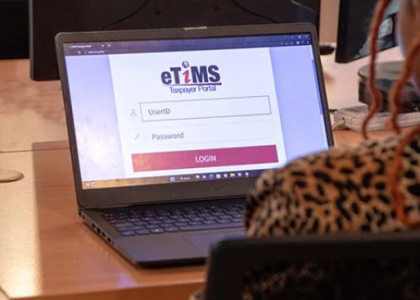
- VAT invoices generated through eTIMS
- PAYE payroll submissions
- Withholding tax declarations
- Customs and import documentation
- Property and rental databases
By integrating these sources, KRA will be able to compare declared income with actual financial activity.
Any mismatch between the two may trigger:
- Automated compliance alerts
- Requests for clarification
- Detailed tax audits
Income Validation: What Businesses Must Understand
The income validation component of the new system focuses on identifying undeclared or underreported income.
Common areas that may now be monitored more closely include:
- Digital payments and mobile money receipts
- Online business revenue
- Freelance and consulting income
- Property rental income
- Business bank deposits that exceed declared turnover
Businesses that previously relied on partial income reporting may face increased scrutiny under the new system.
Expense Validation: Only Supported Costs Will Count
The expense validation feature is equally significant.
Businesses will increasingly need verifiable documentation for all expenses claimed for tax deduction.
This means:
- Expenses must be supported by eTIMS-generated invoices
- Unsupported costs may be automatically disallowed
- Inflated or fictitious expenses will be easier to detect
For many businesses, this will require stronger accounting discipline and digital record-keeping practices.
Who Is Most Likely to Be Affected?
While the new system will apply to all taxpayers, some sectors may face greater exposure to compliance checks.
These include:
- Small and medium enterprises (SMEs)
- Independent consultants
- Contractors
- Freelancers
- Digital and online businesses
- Retail traders
- Property investors
These sectors often have multiple income streams and less formal accounting systems, increasing the likelihood of discrepancies.
The Real Risks of Non-Compliance
If the Income & Expense Validation Engine detects inconsistencies between declared taxes and financial records, several consequences may follow.
These may include:
- Automated tax audits
- Backdated tax assessments
- Penalties of up to 25% of the tax due
- 1% monthly interest on unpaid taxes
- Potential enforcement actions in serious cases
For businesses with poor documentation or inconsistent filings, the financial exposure could be substantial.
What Businesses Should Do Now
With the 2026 system approaching, businesses should begin preparing immediately.
Key steps include:
1. Reconcile All Income Streams
Ensure all revenue sources — including digital payments — are accurately captured in financial records.
2. Clean Up Expense Documentation
Maintain clear supporting documents for all business expenses.
3. Implement eTIMS Compliance
Ensure all invoices are generated and recorded through the electronic Tax Invoice Management System (eTIMS).
4. Strengthen Accounting Controls
Invest in proper bookkeeping systems and regular financial reconciliations.
5. Conduct Tax Compliance Reviews
Identify potential discrepancies before they are detected by the tax authority.
Preparation today can significantly reduce future audit risks and penalties.
Strategic Compliance Is Now a Business Necessity
As the Income & Expense Validation Engine comes into operation, tax compliance will increasingly become a data verification exercise rather than a declaration exercise.
Businesses that proactively align their financial records, tax filings, and documentation systems will be far better positioned to navigate the new environment.
Those that delay preparation may face unexpected assessments, penalties, and operational disruptions.
Preparing for the Future of Tax Compliance
The introduction of the Income & Expense Validation Engine represents one of the most significant shifts in Kenya’s tax administration in recent years.
For businesses, the message is clear:
Tax transparency and accurate record-keeping are no longer optional.
As the system goes live in January 2026, businesses that prepare early will enjoy greater confidence, reduced compliance risk, and smoother interactions with tax authorities.
How WYMA & Associates Can Help
At WYMA & Associates, we help businesses prepare for the new era of data-driven tax compliance by:
- Conducting tax compliance readiness reviews
- Aligning financial records with tax filings
- Identifying compliance risks before KRA does
- Supporting businesses during tax audits, objections, and appeals
Strategic compliance ensures your business can grow confidently while meeting evolving tax obligations.
If you would like to understand how the Income & Expense Validation Engine could affect your business, speak with our tax advisory team today.
Contact: +254 702 966 928
Website: http://www.wycliffemajengo.com