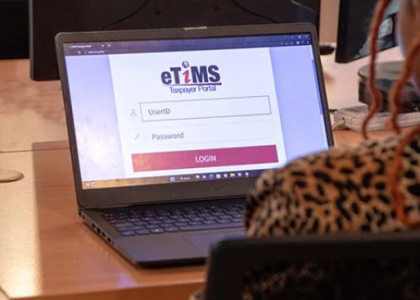
Tax and audit experts are warning Kenyan companies to prepare for stricter enforcement of the Electronic Tax Invoice Management System (eTIMS) as the Kenya Revenue Authority strengthens oversight of VAT reporting and corporate expenses. Global audit firm KPMG has highlighted that businesses must ensure all expenses claimed for tax purposes are backed by valid eTIMS-generated invoices.
The tax authority has moved toward continuous monitoring of business transactions using automated digital systems. Instead of relying solely on periodic tax returns, KRA will now analyze transaction-level data to verify whether reported expenses and sales match the electronic invoices issued through eTIMS.
If a business claims expenses that cannot be linked to compliant invoices within the system, those costs may be automatically disallowed during tax assessments. This could increase the company’s taxable income and lead to additional tax liabilities.
The intensified enforcement is part of a broader government effort to curb tax evasion and improve transparency in commercial transactions. Many businesses have historically used incomplete or informal documentation to support expense claims. However, with eTIMS integration across the economy, such practices are becoming increasingly risky.
Experts recommend that companies conduct internal audits of their invoicing processes, ensure suppliers are eTIMS-compliant, and strengthen accounting documentation to avoid unexpected tax penalties.