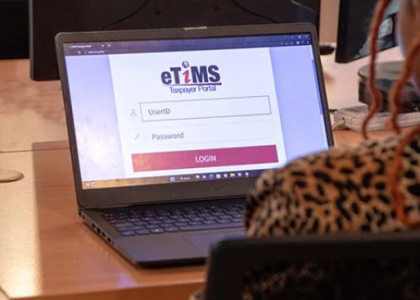
Kenya’s tax authority has launched one of its largest enforcement campaigns aimed at identifying millions of individuals and businesses suspected of evading taxes. According to reports, the Kenya Revenue Authority (KRA) estimates that nearly three million taxpayers may be avoiding or underpaying taxes, costing the government roughly KSh 2.2 trillion in lost revenue.
The initiative forms part of the government’s strategy to expand the tax base and improve revenue collection amid growing fiscal pressures. Authorities believe that many small and medium enterprises, informal sector operators, and professionals fail to declare their full income. KRA has therefore intensified audits and digital monitoring tools to detect discrepancies between declared earnings and actual financial activity.
Tax officials are now increasingly relying on third-party financial data sources including banks, mobile money transactions, and withholding tax records to identify potential underreporting. Businesses that are found to have deliberately concealed income could face penalties, interest charges, and in severe cases criminal prosecution.
This enforcement campaign also signals a broader shift in Kenya’s tax administration toward data-driven compliance systems, allowing the tax authority to track financial activities more effectively. Experts note that businesses will now need stronger bookkeeping practices, accurate financial reporting, and better tax planning to avoid potential disputes with KRA.