Kenya’s tax administration is increasingly moving toward automated auditing systems that rely on integrated financial databases to identify inconsistencies in tax declarations. This transformation is being driven by new digital verification tools introduced by the Kenya Revenue Authority, which are designed to improve transparency and curb tax evasion across the economy.
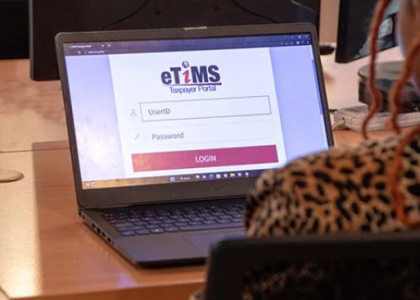
Under the new framework, businesses’ tax returns will be automatically cross-checked against financial information obtained from multiple sources including banking records, mobile money transactions, payroll submissions, customs data, and electronic VAT invoices generated through the Electronic Tax Invoice Management System (eTIMS). This system allows the tax authority to detect discrepancies between declared income and actual financial activity.
The shift represents a major departure from the traditional tax system where authorities largely depended on self-reported financial data. Now, digital analytics can flag potential compliance issues in real time, triggering automatic alerts or tax audits where necessary.
For businesses, the change significantly increases the importance of accurate accounting and financial record-keeping. Companies must ensure that all financial transactions are properly documented and supported by verifiable digital records.
Tax experts say the digitalization of tax audits will fundamentally reshape corporate tax management in Kenya, pushing businesses to adopt modern accounting systems and stronger internal financial controls.