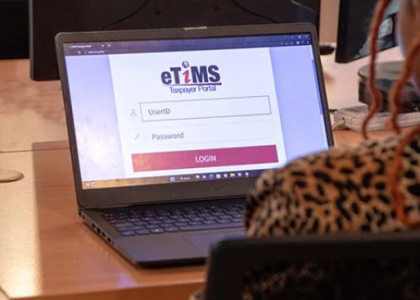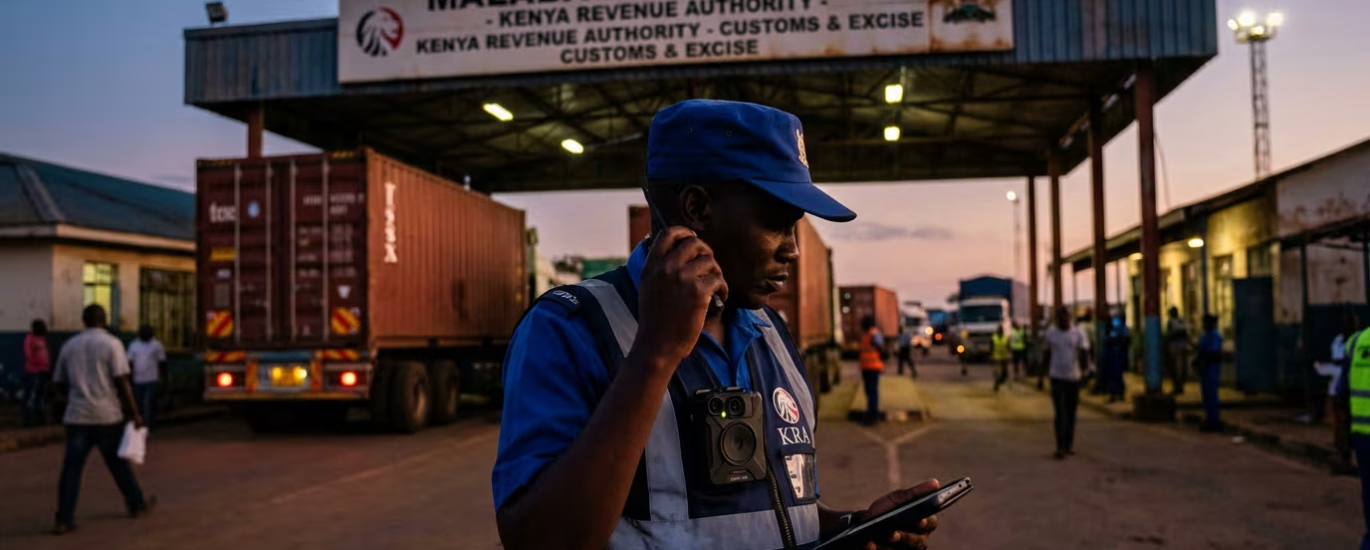
The Kenya Revenue Authority (KRA) has intensified its use of data-matching technology to identify businesses that underreport income. The system compares information submitted in tax returns with third-party records such as bank statements, mobile money transactions, and withholding tax filings.
Tax experts say the new system enables the authority to identify discrepancies almost instantly. For example, if a business receives payments reported through withholding tax certificates but fails to declare the income in corporate tax returns, the mismatch triggers a compliance alert.
This development has significant implications for accountants and bookkeepers. Businesses must ensure that bank deposits, invoicing systems, and accounting records reconcile fully with tax declarations. Failure to reconcile these records can trigger automatic risk flags and potential audits.
Audit firms note that digital verification systems are replacing traditional manual tax enforcement. Instead of relying solely on random audits, tax authorities now rely on real-time financial data analysis.
Companies are therefore encouraged to perform regular reconciliations between accounting systems, bank records, and tax returns. Proper bookkeeping and documentation will play a critical role in avoiding penalties and ensuring compliance.