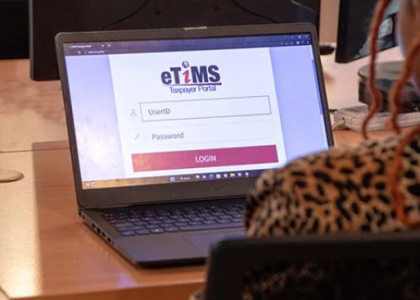
The enforcement of eTIMS has moved beyond registration into full operational scrutiny, fundamentally altering how Kenyan businesses transact. In 2026, invoices are no longer just commercial documents they are regulatory instruments that determine tax deductibility, VAT claims, and audit outcomes.
Many businesses are discovering that transactions conducted with non-compliant suppliers expose them to tax risk. Even where goods or services are delivered, the absence of an eTIMS invoice invalidates the expense for tax purposes. This has forced companies to reassess supplier relationships and renegotiate procurement terms.
Operational challenges have also emerged, including system downtimes, staff training gaps, and integration difficulties with existing accounting software. SMEs, in particular, face cost and capacity constraints as they adapt to these requirements.
Despite these challenges, eTIMS offers long-term benefits such as improved record accuracy, reduced disputes, and faster processing of returns. Businesses that proactively invest in system integration, staff training, and professional support are better positioned to benefit from the new regime rather than be penalised by it.