Kenya’s government is intensifying efforts to strengthen tax compliance and increase domestic revenue collection as part of its fiscal consolidation plan for the 2026 financial year. The strategy is outlined in the national budget policy framework, which emphasizes strengthening tax administration, expanding the tax base, and improving monitoring of high-risk taxpayers.
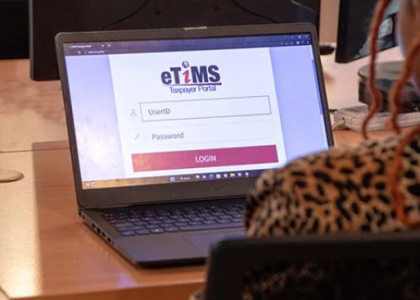
According to the policy framework, authorities aim to enhance transparency and accountability in revenue collection through stronger administrative reforms and digital monitoring tools. The government intends to focus particularly on sectors where tax leakage has historically been significant, including the informal sector, digital commerce, and small-to-medium enterprises. This initiative is expected to help close existing revenue gaps while ensuring that tax obligations reflect real economic activity across the country.
A central part of the strategy involves deploying risk-based tax audits and advanced data analytics to identify inconsistencies in corporate financial reporting. The government also plans to strengthen collaboration between regulatory institutions and the Kenya Revenue Authority to monitor business transactions more effectively.
Economic analysts note that these reforms signal a long-term shift toward data-driven tax enforcement and stricter corporate compliance. Businesses are therefore being advised to maintain accurate bookkeeping records, implement robust accounting systems, and ensure timely filing of all tax obligations to avoid penalties or enforcement actions.